Ultra-low Temperature Valves
Temperature range: -196°C to -100°C
Application: For ultra-low temperature media such as liquefied natural gas (LNG), liquid oxygen, and liquid nitrogen.
Material: Usually low temperature resistant materials such as stainless steel and nickel alloy are used.
Cryogenic Valves
Temperature range: -100°C to -29°C
Application: For cryogenic gas, refrigeration system, etc.
Material: Commonly used materials include stainless steel, low temperature carbon steel, etc.
Normal Temperature Valves
Temperature range: -29°C to 120°C
Application: For normal temperature media such as water, air, and oil.
Material: Commonly used materials include carbon steel, cast iron, bronze, etc.
Medium Temperature Valves
Temperature range: 120°C to 450°C
Application: For medium temperature media such as steam, hot water, hot oil, etc.
Material: Common materials include carbon steel, alloy steel, stainless steel, etc.
High Temperature Valves
Temperature range: 450°C to 600°C
Application: For high temperature media such as high temperature steam, hot air, high temperature oil, etc.
Material: Common materials include alloy steel, stainless steel, heat-resistant steel, etc.
Ultra-high Temperature Valves
Temperature range: above 600°C
Application: For extreme high temperature environments such as high temperature furnaces, nuclear reactors, and spacecraft.
Material: Common materials include special alloys, ceramics, high temperature resistant composite materials, etc.
Selection Points
Medium temperature: Select the appropriate valve type and material according to the highest and lowest operating temperatures of the medium.
Material temperature resistance: Ensure that the valve material has good mechanical properties and corrosion resistance within the operating temperature range.
Sealing material: Select sealing material suitable for the working temperature to ensure sealing performance.
Thermal expansion: Consider the thermal expansion and thermal stress of the valve at high temperature to ensure structural stability.
Cooling measures: In ultra-high or ultra-low temperature environments, additional cooling or insulation measures may be required.



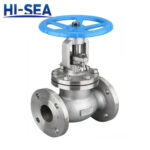 What media are API valves suitable for?
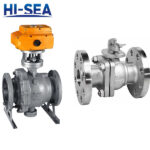 API Ball Valve: Classification of Ball Support Structure
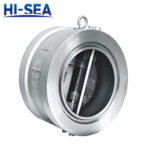 Why are most API valves made of stainless steel?
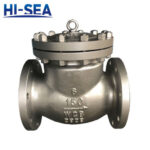 How to maintain API valves
 Installation Precautions for API Valves
 Introduction to API Low- temperature Valves