Specific Technical Points for API Valve Installation
(I) Installation of Flange Valves
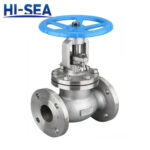
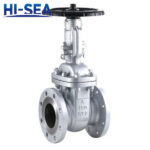
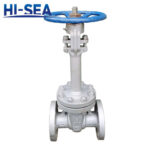
When installing flange valves, ensure that the two flange end faces are parallel and concentric to each other. During the installation process, double gaskets must not be used to avoid leakage problems caused by improper gasket installation. The tightening of the flange connection should be done with uniform force, and the bolts should be tightened step by step in a symmetrical or cross-shaped manner to ensure the sealing of the flange connection.
(II) Installation of Threaded Valves
When installing threaded valves, a threaded valve should be equipped with a joint for easy disassembly. The setting of the joint should take into account the convenience of maintenance. Usually, the water flows through the valve first and then through the joint. When installing threaded valves, suitable sealing materials, such as polytetrafluoroethylene raw tape, should be used to ensure the sealing of the connection.
(III) Installation of Welded Valves
The installation of welded valves should be carried out in strict accordance with welding specifications. Thermal damage to the valve should be avoided during welding, and appropriate cooling measures can be adopted if necessary. After welding is completed, the welded joint should be visually inspected and necessary non-destructive testing should be performed to ensure the quality of welding.
(IV) Insulation and Protection of Valves
For valves that need insulation, insulation treatment should be carried out after the valve is installed. The insulation material should be of appropriate type to ensure good insulation effect. At the same time, for valves exposed to harsh environments, appropriate protective measures should be taken, such as anti-corrosion coating, rain cover, etc., to extend the service life of the valve.
Precautions for API Valve Installation
(I) Inspection and Cleaning of Valves
Before installing the valve, the valve should be carefully inspected and cleaned. Check whether the appearance of the valve is damaged or deformed, and clean the impurities and dirt inside the valve to ensure that the valve can work normally.
(II) Pressure Testing and Debugging of Valves
After installation, the valve should be pressure tested and debugged. The pressure test pressure should be set according to the design requirements of the valve to ensure that the valve can remain sealed under normal working pressure. During the debugging process, check whether the valve is flexible in opening and closing and whether there is any jamming.
(III) Valve Identification and Recording
After the valve is installed, it should be identified and recorded. The identification content includes information such as the valve model, specification, flow direction, etc., to facilitate subsequent maintenance and management. At the same time, the valve installation information should be recorded in the equipment file to provide a reference for the operation and maintenance of the equipment.
Flange Installation API Valve Pictures




 What media are API valves suitable for?
 API Ball Valve: Classification of Ball Support Structure
 Why are most API valves made of stainless steel?
 How to maintain API valves
 Installation Precautions for API Valves
 Introduction to API Low- temperature Valves