Petroleum and natural gas often contain corrosive substances such as hydrogen sulfide, carbon dioxide, and chlorides. For example, natural gas containing hydrogen sulfide can react chemically with metals under certain conditions, producing corrosive byproducts such as ferrous sulfide, leading to metal corrosion. The chromium and nickel elements in stainless steel can combine with oxygen to form a dense oxide film on the metal surface, preventing the corrosive medium from coming into contact with the metal substrate, thereby effectively resisting the erosion of these corrosive substances.
In applications such as offshore oil platforms, valves are exposed to seawater for extended periods of time. Seawater is highly corrosive, and ordinary carbon steel valves are prone to rust and corrosion in seawater. Stainless steel valves, particularly 316 stainless steel containing molybdenum, have excellent resistance to chloride ion corrosion and maintain good corrosion resistance in seawater.
Stainless steel has high strength and toughness, enabling it to withstand the high pressures and impact forces encountered in oil and gas transportation systems. For example, in deep-sea oil and gas extraction, valves must withstand pressures of up to several hundred megapascals. Stainless steel valves ensure structural integrity and sealing performance under these extreme pressure conditions.
In some media containing solid particles, such as mud in oil wells, the inner surface of valves is prone to wear. Stainless steel has high hardness and good wear resistance, which can reduce wear and extend the service life of valves.
Some types of stainless steel, such as 304 stainless steel, have good low-temperature toughness and can maintain good mechanical properties even in low-temperature environments. In some oil and gas pipelines that require low-temperature transportation, stainless steel valves can ensure normal operation under low-temperature conditions.



 What media are API valves suitable for?
 API Ball Valve: Classification of Ball Support Structure
 Why are most API valves made of stainless steel?
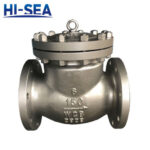 How to maintain API valves
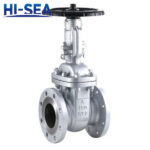 Installation Precautions for API Valves
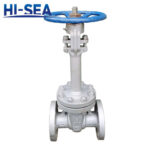 Introduction to API Low- temperature Valves