Gases
Natural gas: including purified natural gas and sour natural gas, etc., is a common transport medium in the petroleum and natural gas industry. API valves can be used to control and regulate parameters such as the flow and pressure of natural gas.
Coke Oven Gas: Such as coke oven gas and water gas, API valves in coke oven gas transmission pipeline systems can achieve functions such as on/off control and regulation of coke oven gas.
Other Gases: Such as hydrogen, oxygen, nitrogen, carbon dioxide, and other industrial gases, as well as inert gases used in special operating conditions, API valves can also be selected based on their characteristics and operating conditions.
Liquids
Petroleum: This includes crude oil, refined petroleum products, and other petroleum products. API valves are widely used in the extraction, transportation, storage, and processing of petroleum to control the flow of petroleum.
Water: In industrial and domestic water supply pipelines, API valves can be used to regulate water flow and pressure, and can also be used in wastewater treatment systems.
Coal slurry: In coal liquefaction and gasification processes, coal slurry is an important medium. API valves can be used for the transportation and control of coal slurry.
Other liquids: Such as solutions of chemical raw materials like acids, alkalis, and salts, as well as some organic solvents, API valves can be designed and manufactured using appropriate materials and structures based on their corrosive and toxic properties.
Other media
Mud: Mud is a commonly used medium in oil drilling, geological exploration, and other operations. API valves can be used to transport and control mud.
Liquid metal: In some special industrial fields, such as metallurgy and nuclear industry, the transportation and control of liquid metal requires the use of special API valves.
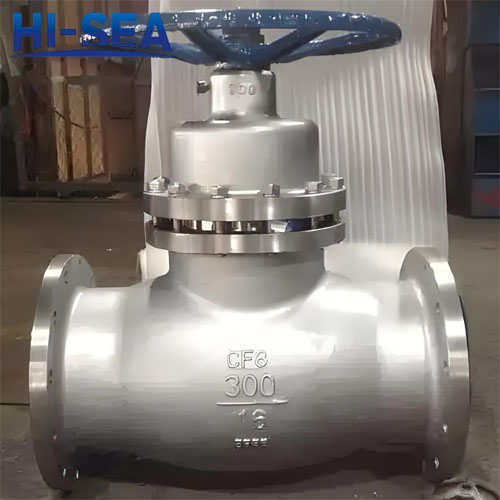



 What media are API valves suitable for?
 API Ball Valve: Classification of Ball Support Structure
 Why are most API valves made of stainless steel?
 How to maintain API valves
 Installation Precautions for API Valves
 Introduction to API Low- temperature Valves